Traces the evolution of aviation worldwide from the earliest history of flight
and presents the key figures, aircraft, and major events that shaped the development of Korean aviation.
Traces the evolution of aviation worldwide from the earliest history of flight
and presents the key figures, aircraft, and major events that shaped the development of Korean aviation.
Online Aviation Museum
대표 이미지

The Beginning of Flight and the Development of Aviation Technology

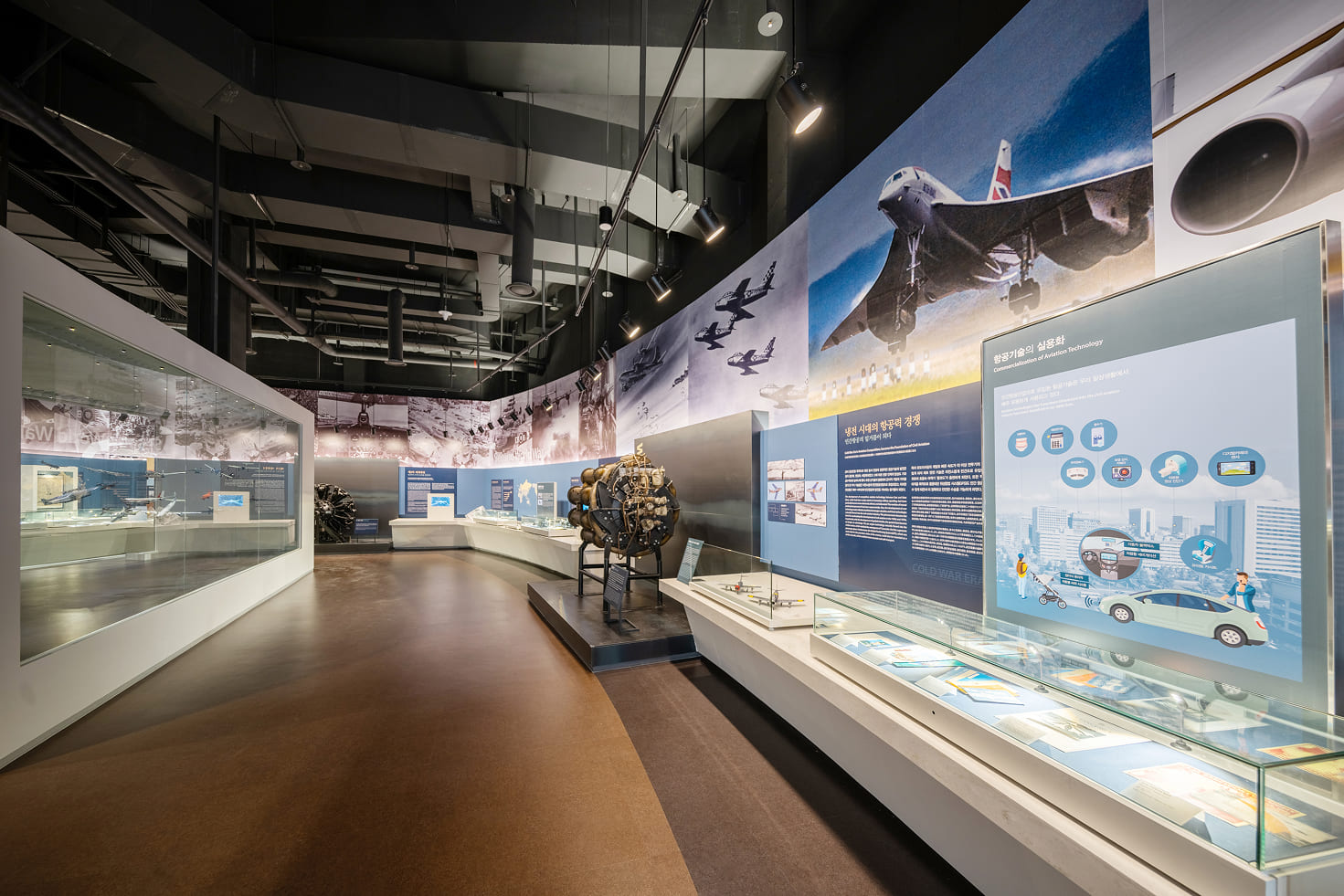
This section traces the historical progression of aviation—from humanity's early attempts at flight to the first successful powered flight, and through the development of aviation technology during the World Wars to the birth of the modern civil aviation industry.

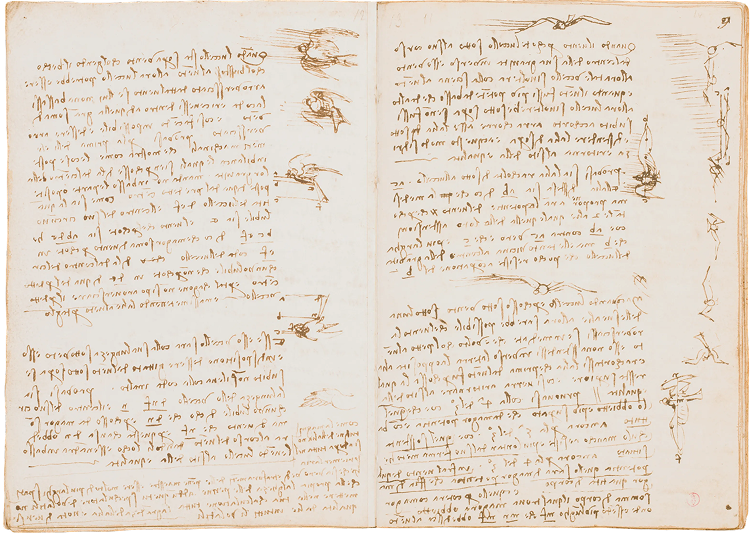
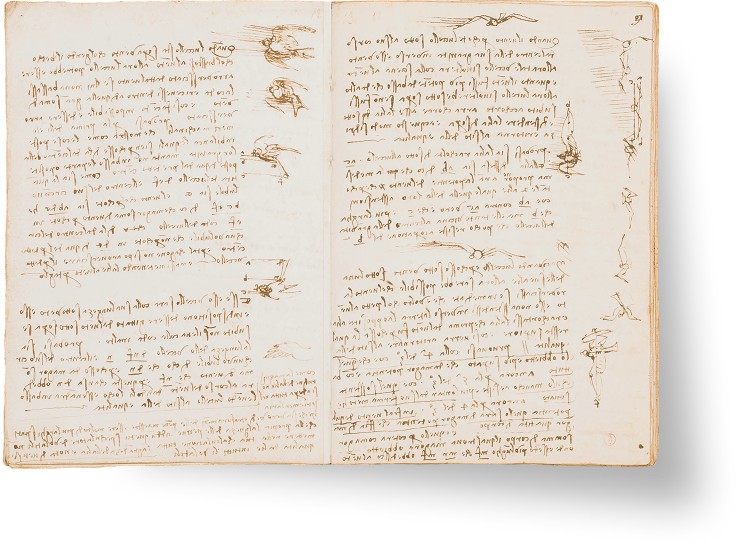
  • Leonardo da Vinci (Codex on the Flight of Birds)
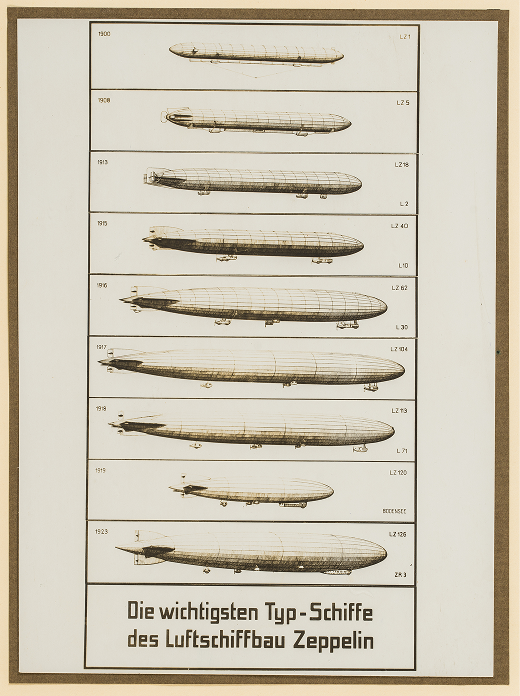
  • Photographic Album of Zeppelin Airship “LZ-126”
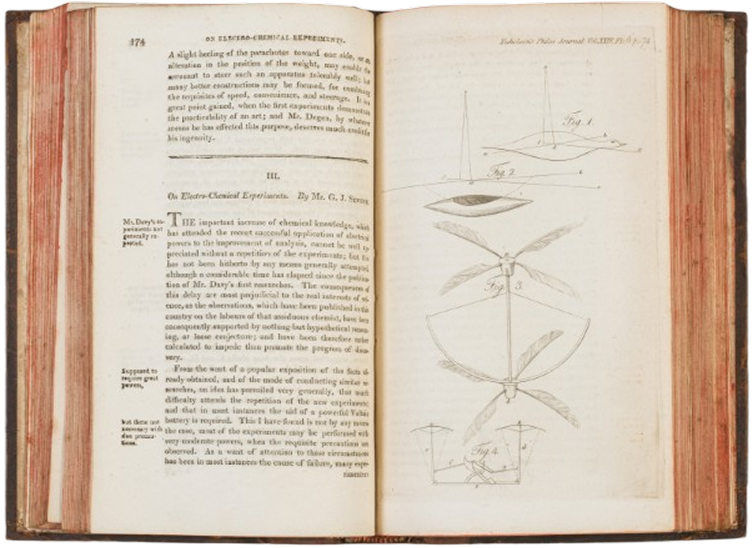
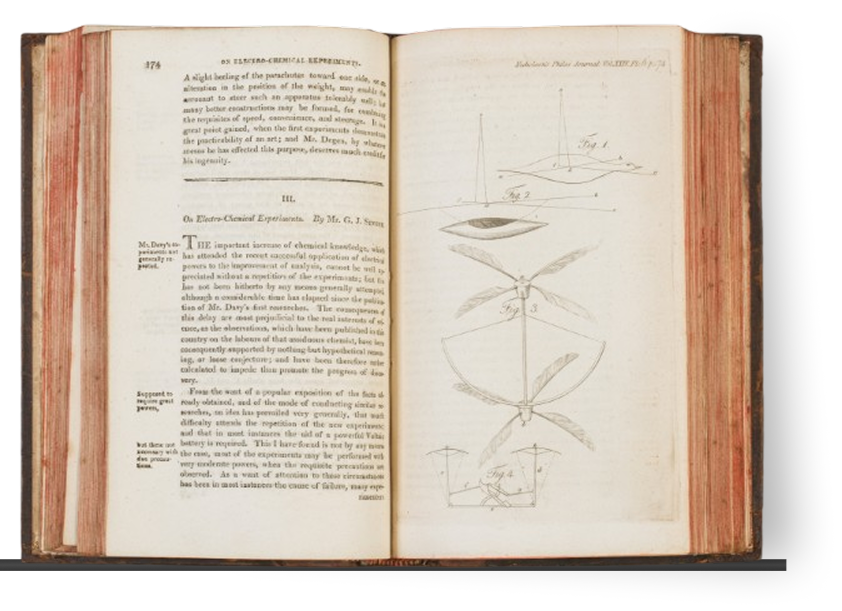
  • George Cayley (On Aerial Navigation)
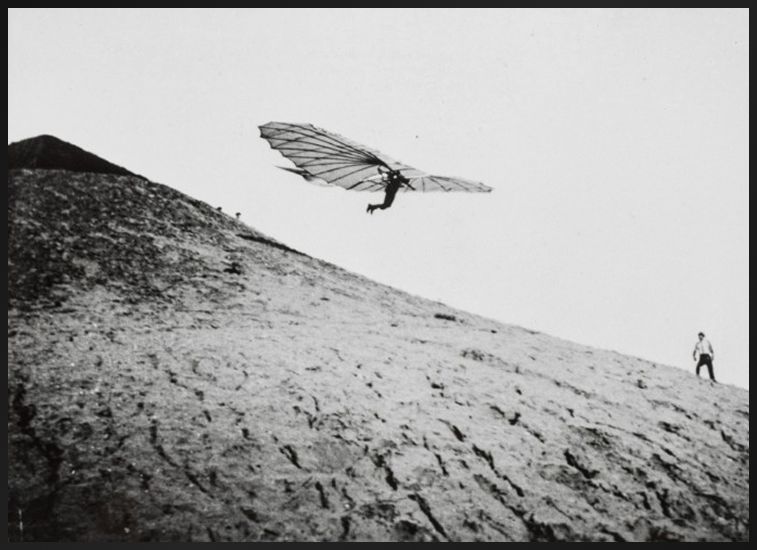
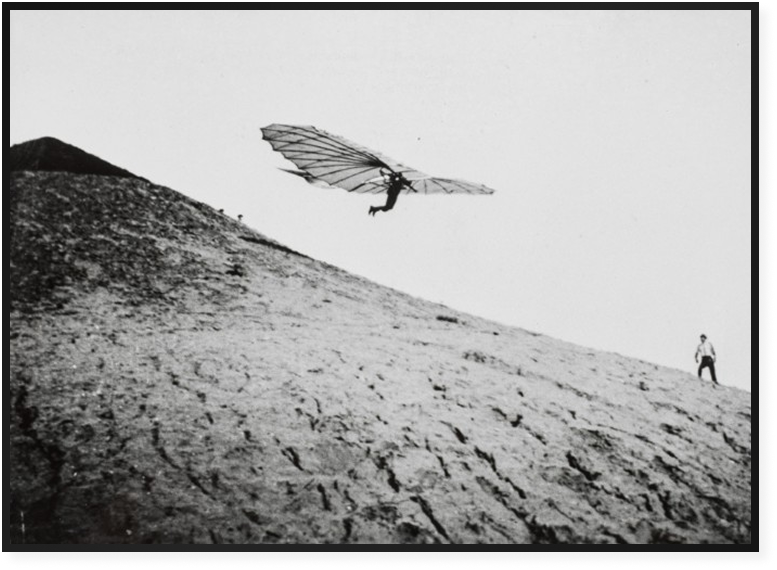
  • Photograph of Otto Lilienthal in Flight
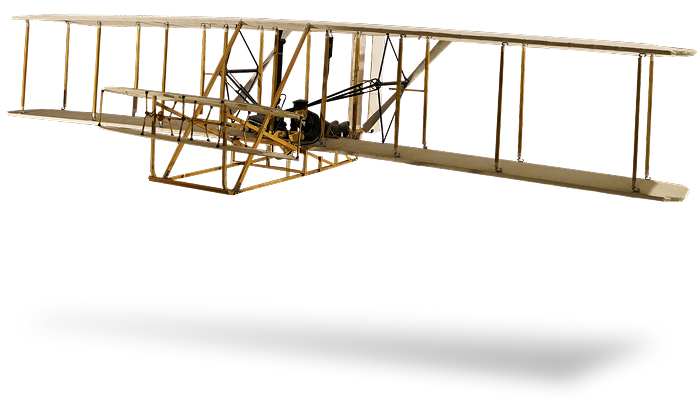
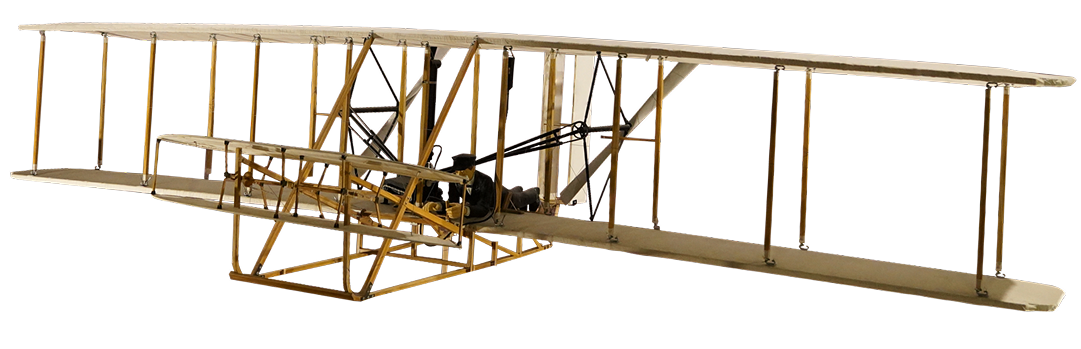
  • Flyer I
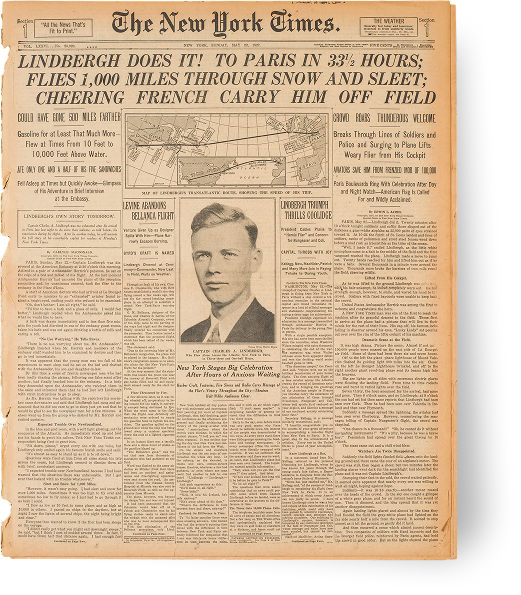
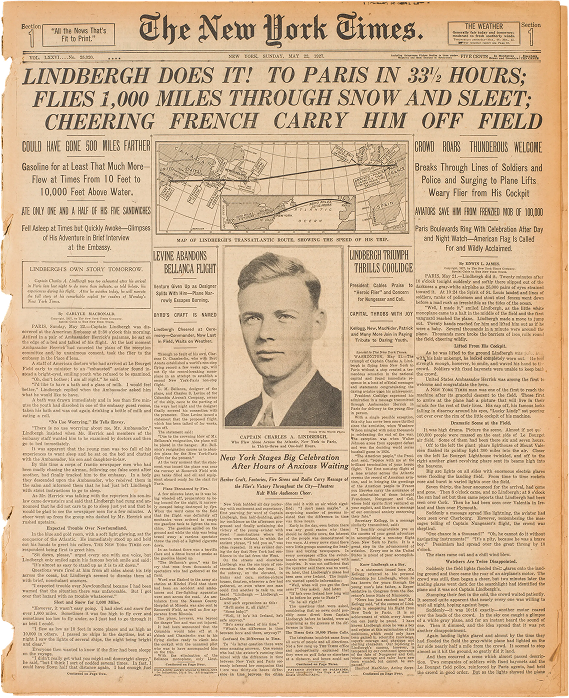
  • Article on Lindbergh's Transatlantic Flight
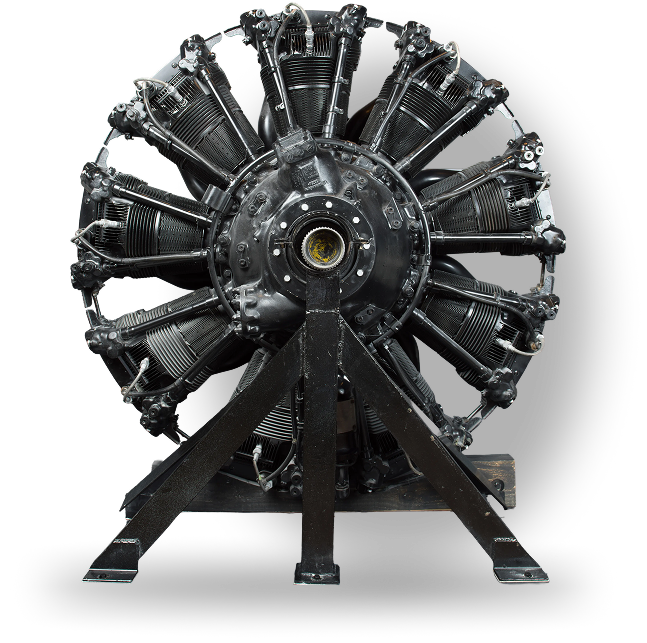
  • R-1820 Engine
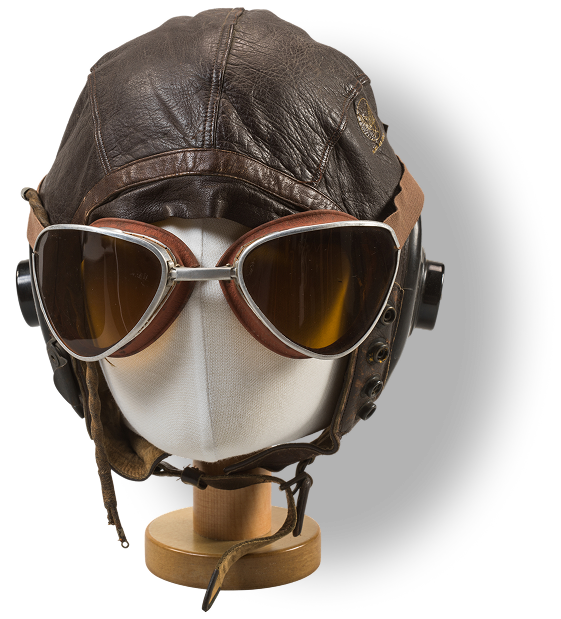
  • Pilot Helmet and Goggles
  • Whittle Engine
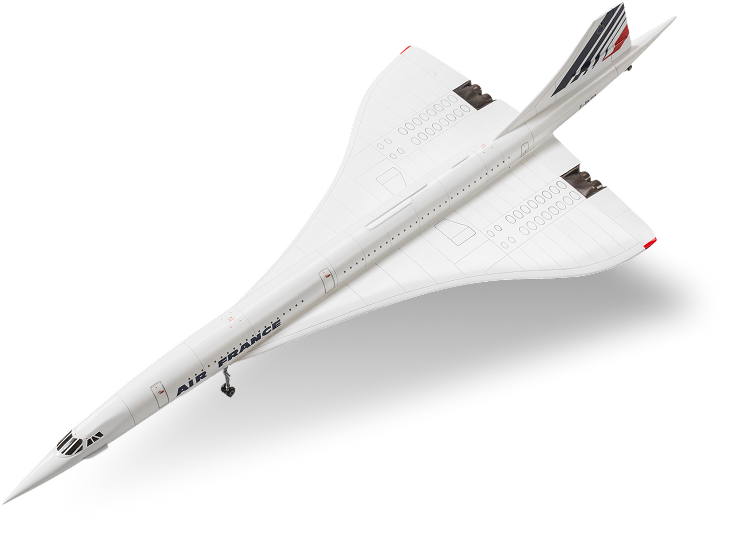
  • Concorde

* Click on the exhibits to learn more about them.

Challenges and Success in Flight

This section covers the process from early attempts to imitate birds, through the discovery of the principles of flight using hot-air balloons and gliders, to the Wright brothers' first successful powered flight.

Online Aviation Museum

Leonardo da Vinci (Codex on the Flight of Birds)

This material from Leonardo da Vinci's notebooks documents his study of bird flight. Using this material, which contains diagrams of birds in flight and anatomical drawings, da Vinci sketched a “flapping-wing flying machine (ornithopter),” designed to fly by moving its wings, and an “aerial screw (helicopter flying machine),” designed for vertical flight using the principle of a screw.
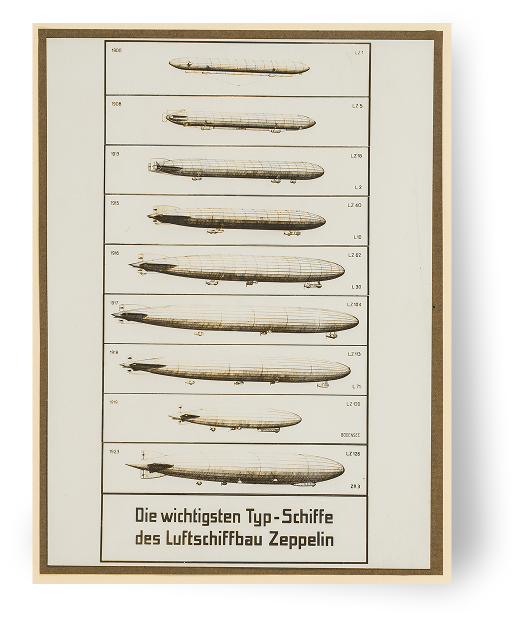
Photographic Album of Zeppelin Airship “LZ-126”

“LZ-126” is the name of an airship developed by Zeppelin.

George Cayley (On Aerial Navigation)

This 1809 work by British scientist George Cayley contains the first paper to scientifically explain the lift generated by a bird's wings in flight. In this paper, he was the first to propose a theory of flight based on the four forces acting on an aircraft: lift, drag, thrust, and gravity.

Photograph of Otto Lilienthal in Flight

This photograph shows Otto Lilienthal flying a glider he built himself. After inventing a glider in 1891, Lilienthal conducted numerous test flights until his death in an aviation accident in 1896. This photograph captures one of those flights.

Flyer I

This is a model of Flyer I, developed by the Wright brothers, which achieved the world's first controlled powered flight. On December 17, 1903, at Kitty Hawk in the United States, it completed its first successful flight by flying 36.5 m in 12 seconds. On the fourth flight that day, it flew 255.6 m in 59 seconds, ushering in the age of human aviation.

Article on Lindbergh's Transatlantic Flight

This article on Charles Lindbergh's transatlantic flight was published in The New York Times on May 22, 1927.

R-1820 Engine

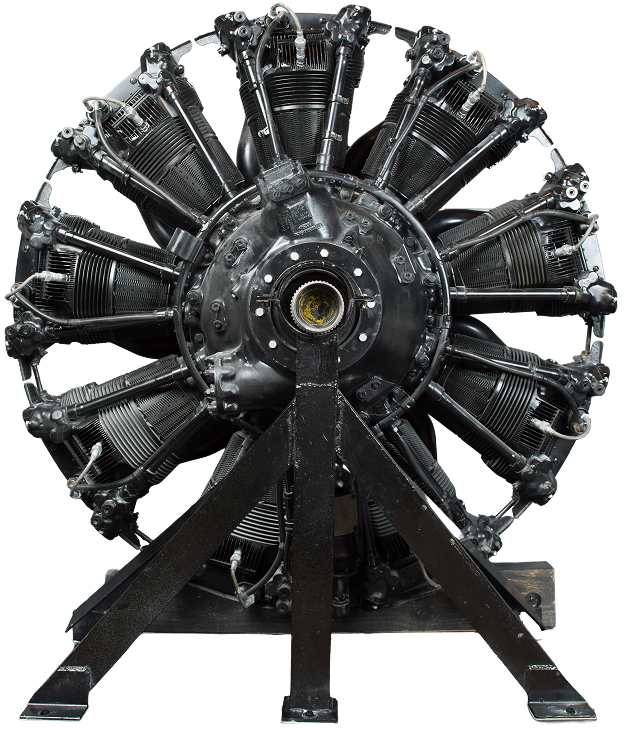
This is an actual R-1820 radial engine used in the DC-3 airliner manufactured by the American Douglas company. The DC-3 was a historic airliner that opened the era of civil passenger aviation. This engine was widely used from the 1930s to the 1950s and was also used in the B-17 Flying Fortress and SBD Dauntless during World War II.

Pilot Helmet and Goggles

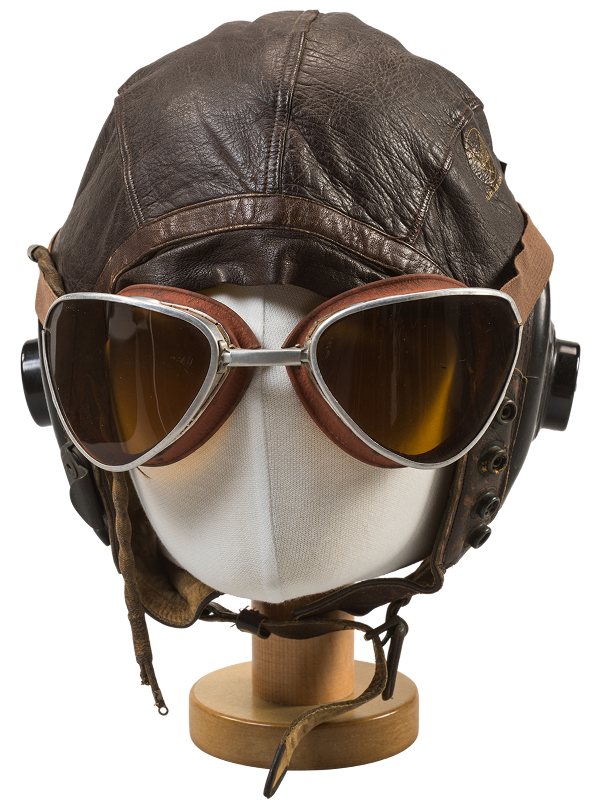
These are a leather pilot helmet and goggles worn by the United States military during World War II. They were also used by pilots during the Korean War, which began shortly after the end of World War II.

Whittle Engine

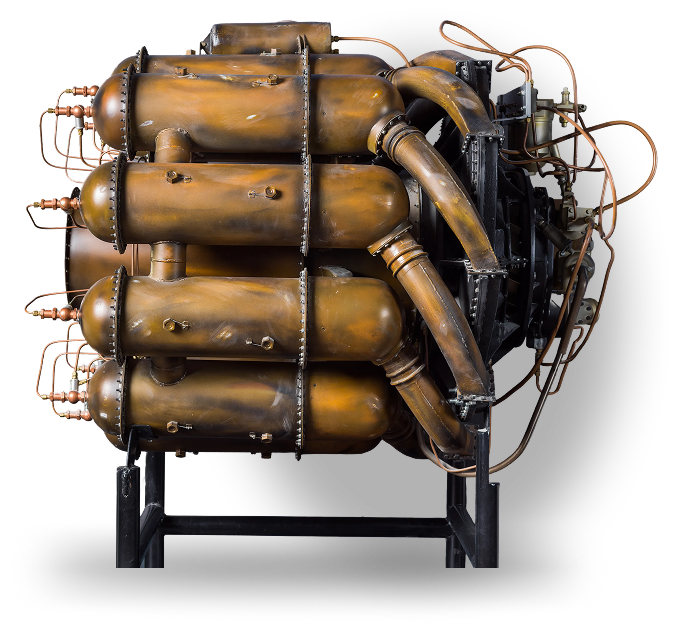
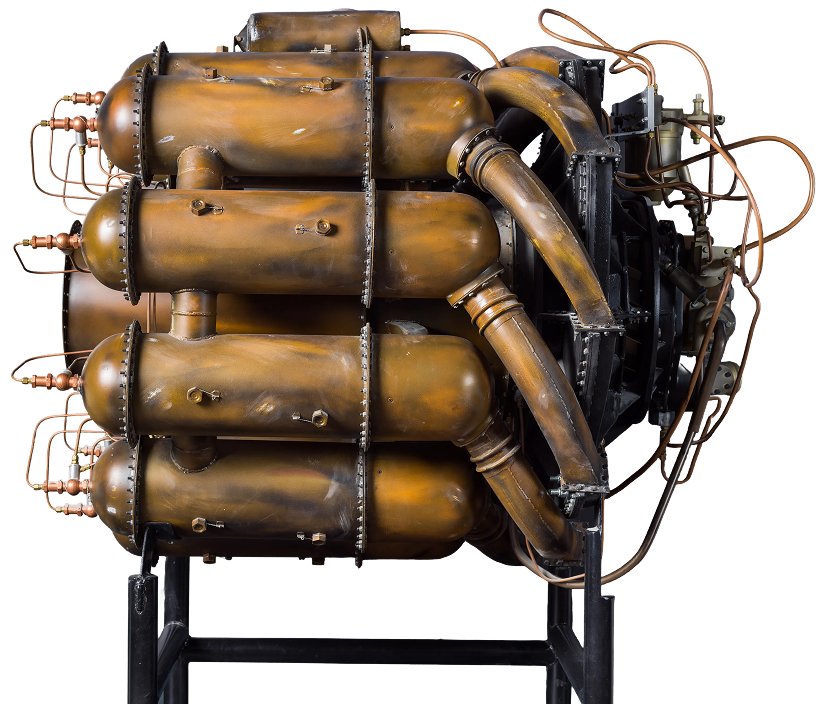
The Whittle engine was the world's first jet engine, developed by Frank Whittle of Great Britain. A jet engine propels an aircraft using thrust produced by compressing and combusting air, bringing a major change to propeller-based aviation technology. In 1939, Germany's He 178, equipped with an engine developed by Hans von Ohain, completed the world's first jet-powered flight. Great Britain followed in 1941 with the Gloster E.28/39

Concorde

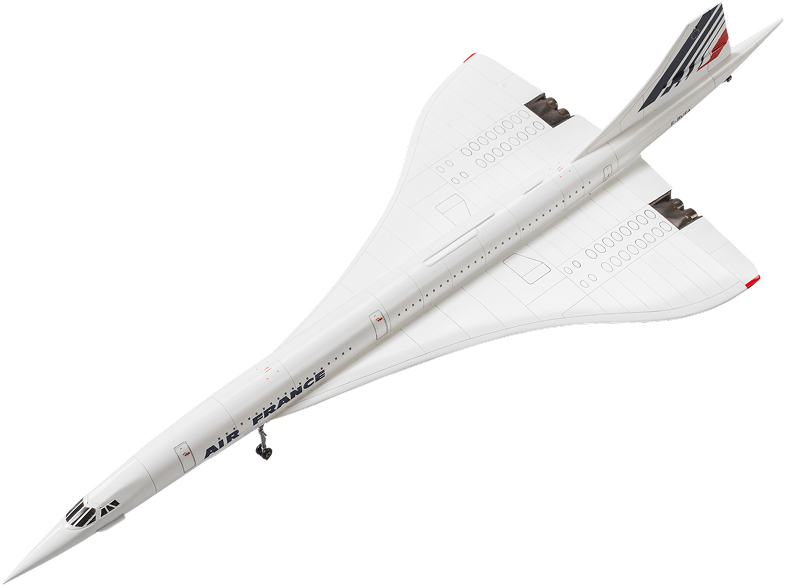
This is a model of Concorde, the world's first supersonic passenger airliner jointly developed by Great Britain and France. It was developed on the basis of technologies accumulated during the development of military supersonic aircraft. With a maximum speed of Mach 2, it could cross the Atlantic in approximately half the time required by conventional airliners. However, operations ended in 2003 due to high operating costs, noise issues, and the accident that occurred in 2000.

 
대표 이미지

The History and Development of Korean Aviation

This section presents the history of military aviation that led the independence movement and defended the nation, along with the rise of civil aviation as Korea developed into a global aviation powerhouse alongside its economic growth.

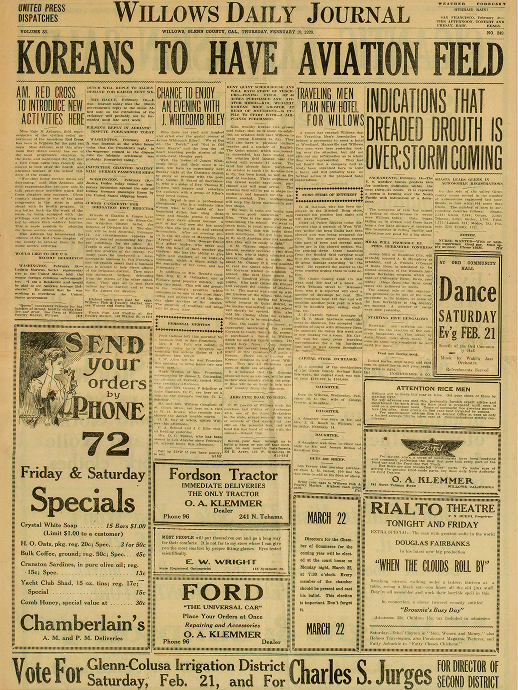
  • Willows Daily Journal, February 19, 1920
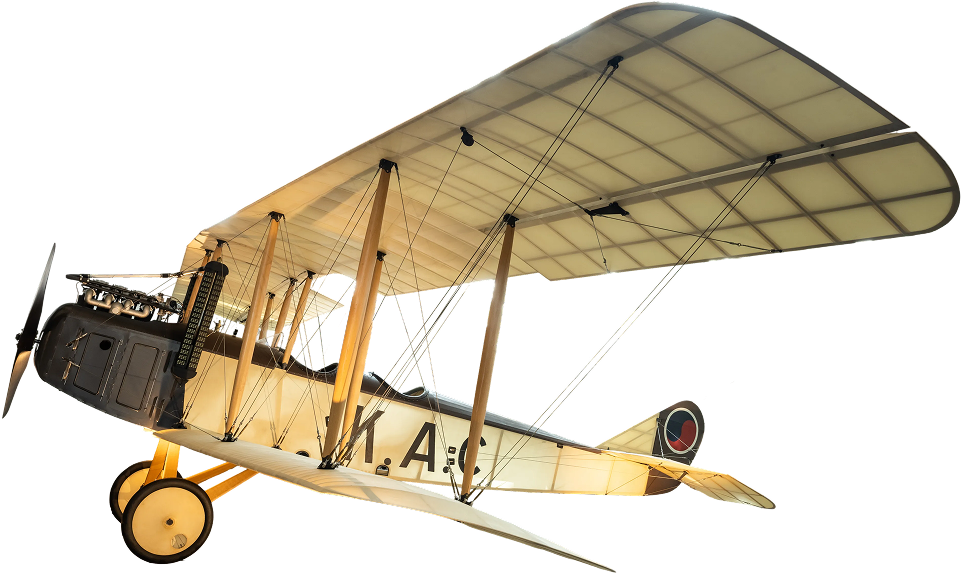
  • Standard J-1
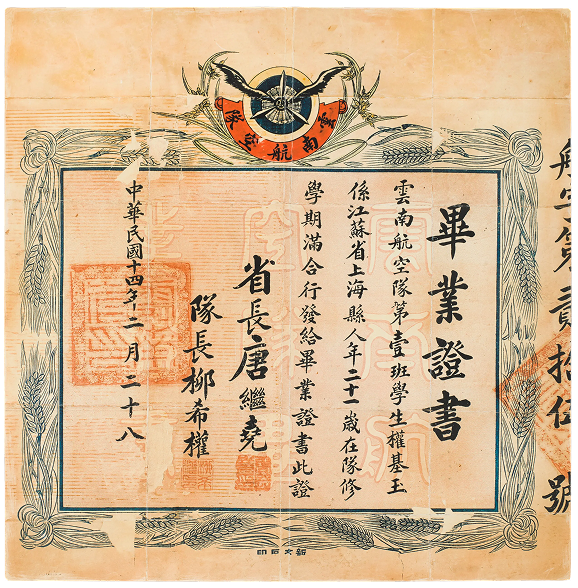
  • Graduation Certificate of Kwon Ki-Ok from Yunnan Aviation School
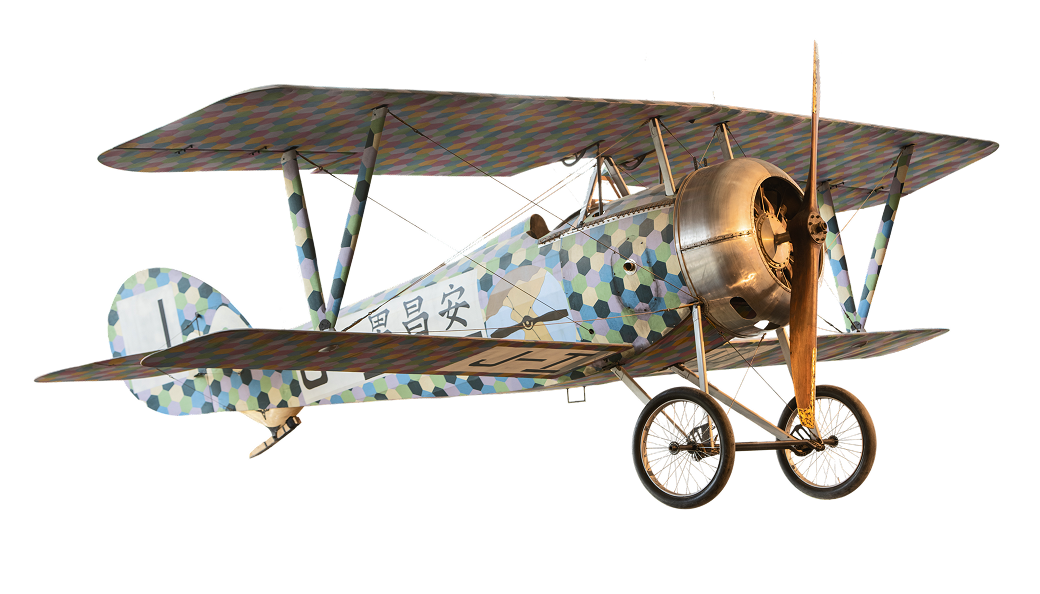
  • Geumgang-ho
  • Geonguk-gi (T-6 Texan)
  • Station Wagon
  • Korea National Airlines (KNA) Ticket
  • Commemorative Stamp for the 10th Anniversary of Civil Aviation
  • Boeing 747 Cross-Section
  • T-50

* Click on the exhibits to learn more about them.

Development and Use of Aircraft

This section examines how military aviation technology, which advanced dramatically during the World Wars, ushered in the jet age and evolved into the foundation of today's civil aviation industry.

Online Aviation Museum

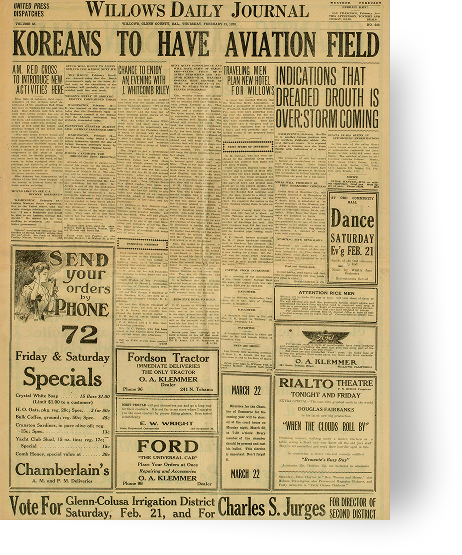
Willows Daily Journal, February 19, 1920

This is the original article published on February 19, 1920, in the Willows Daily Journal, a local newspaper in Willows, California, United States. This is the only source documenting local media coverage of the Korean Aviation School established by the Provisional Government of the Republic of Korea. The headline, “Koreans Get Aviation Field,” reflects the strong interest it attracted at the time. On deposit from the Korean American History Research Association of Central California.

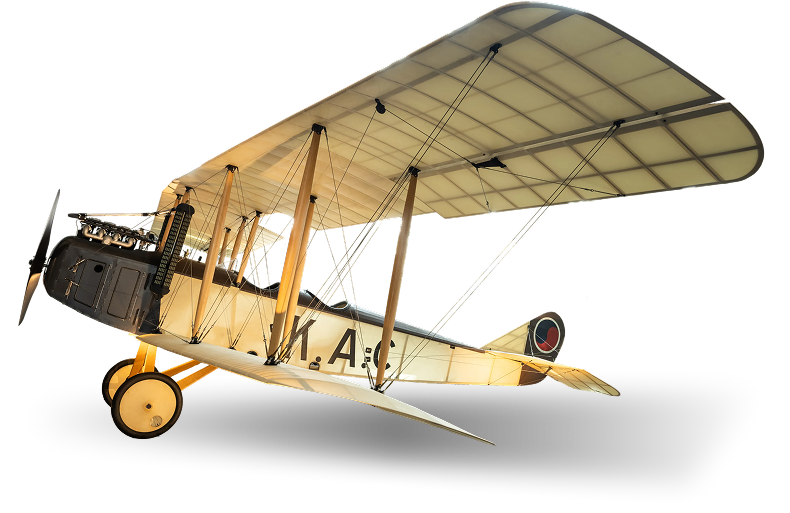
Standard J-1

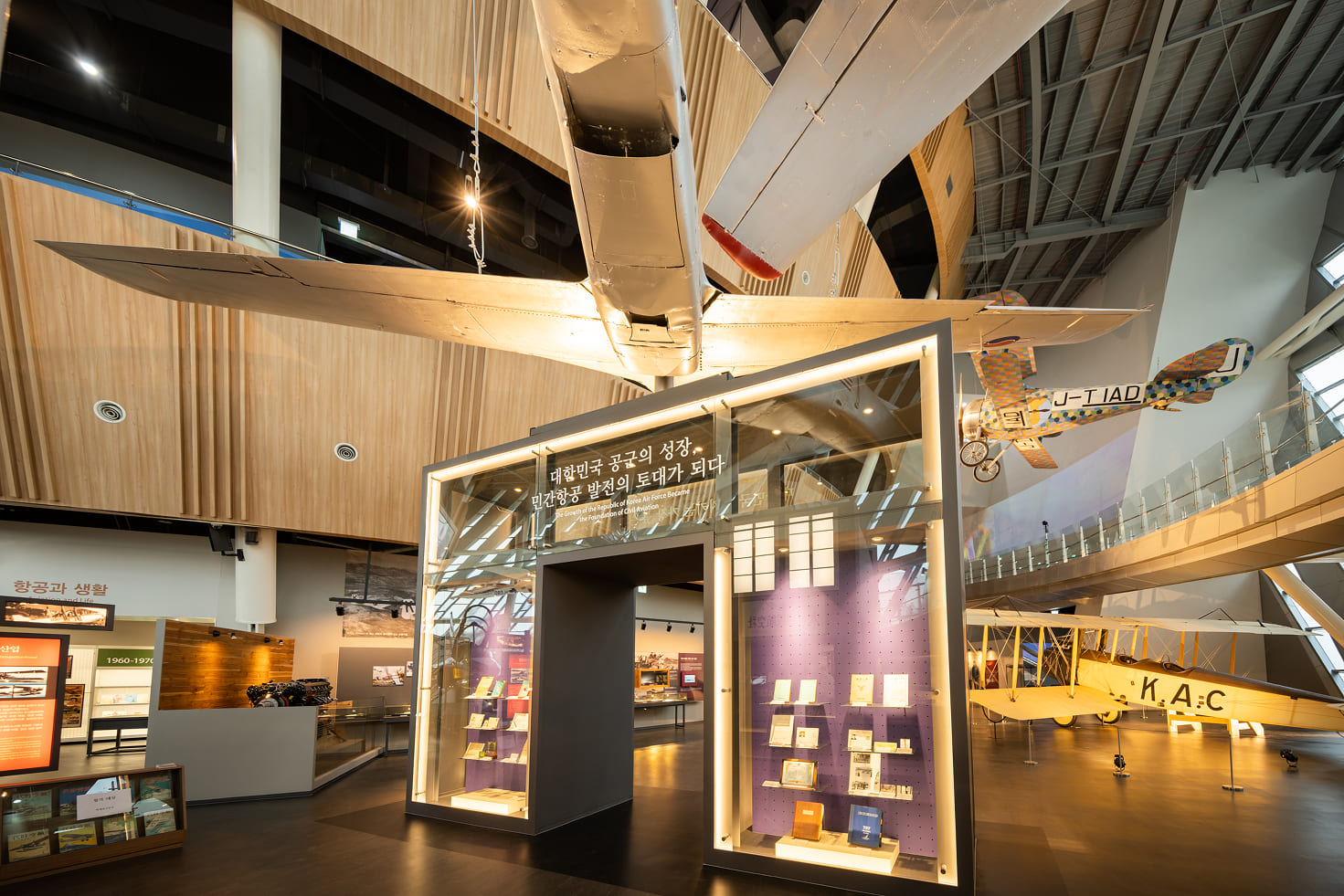
The Standard J-1 is a two-seat biplane used as a trainer at the Korean Aviation School of the Provisional Government of the Republic of Korea. This type was widely operated by the U.S. Army Air Service and the U.S. Naval Air Service during World War I. The Korean Aviation School painted the Taegeuk symbol on the vertical tail and marked “K.A.C. (Korean Aviation Corps)” on the side of the fuselage to identify itself as a Korean aviation school. This object was restored by the National Aviation Museum of Korea.

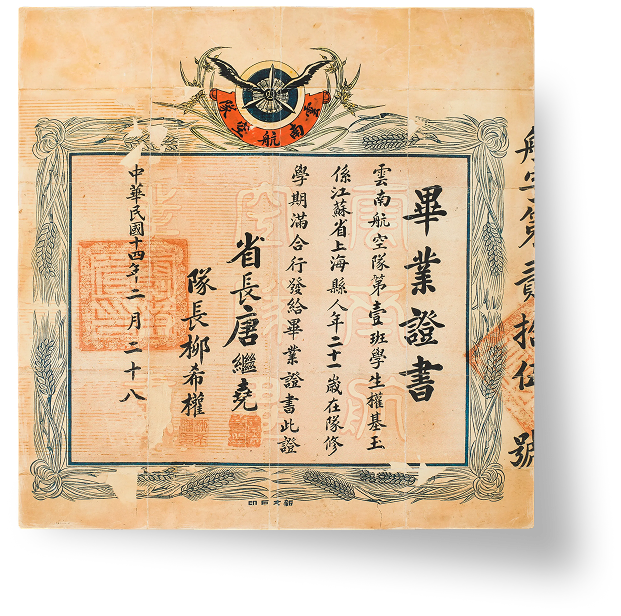
Graduation Certificate of Kwon Ki-Ok from Yunnan Aviation School

This is the graduation certificate of Kwon Ki-Ok, a member of the first class of the Army Yunnan Aviation School of the Chinese Nationalist Army. Biye (畢業) means “graduation” in Chinese. This graduation certificate from the first class of Yunnan Aviation School is a rare artifact, with no known surviving example even in China.

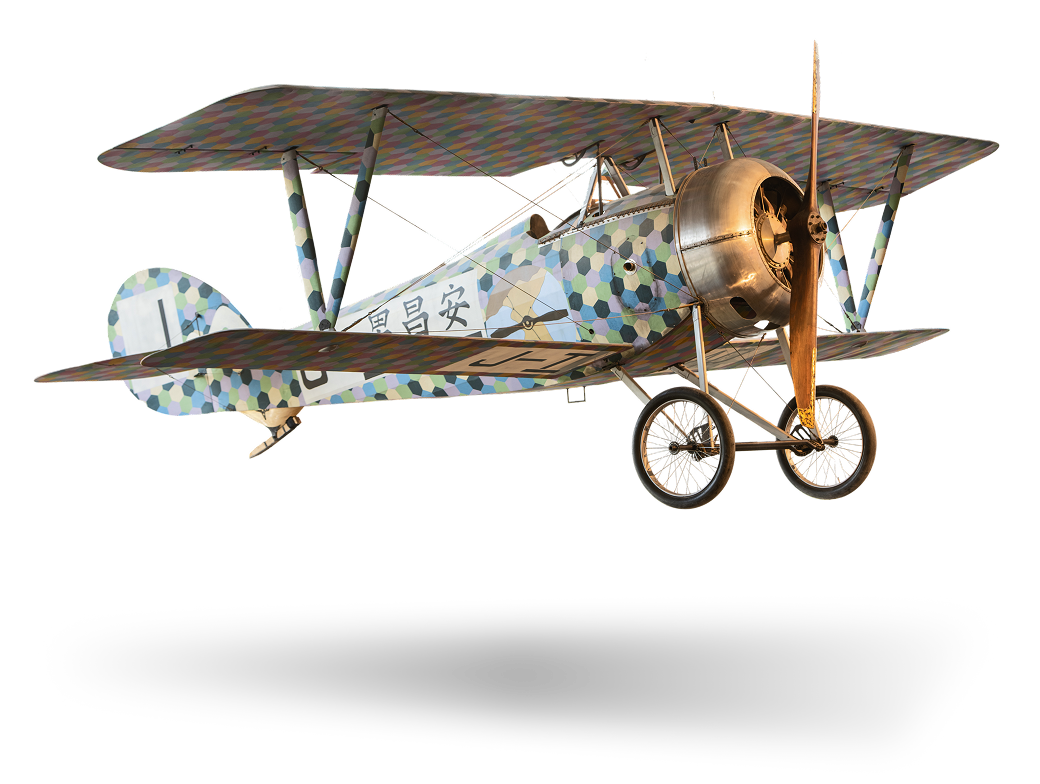
Geumgang-ho

Geumgang-ho (金剛號) was the aircraft used by An Chang-Nam, Korea's first aviator, when he flew in the skies of his homeland in 1922. He inscribed “Geumgang-ho” and his name on a French-made Nieuport 17 biplane. This historic flight over Namsan and Changdeokgung Palace from Yeouido inspired national pride among Koreans during the Japanese colonial period.

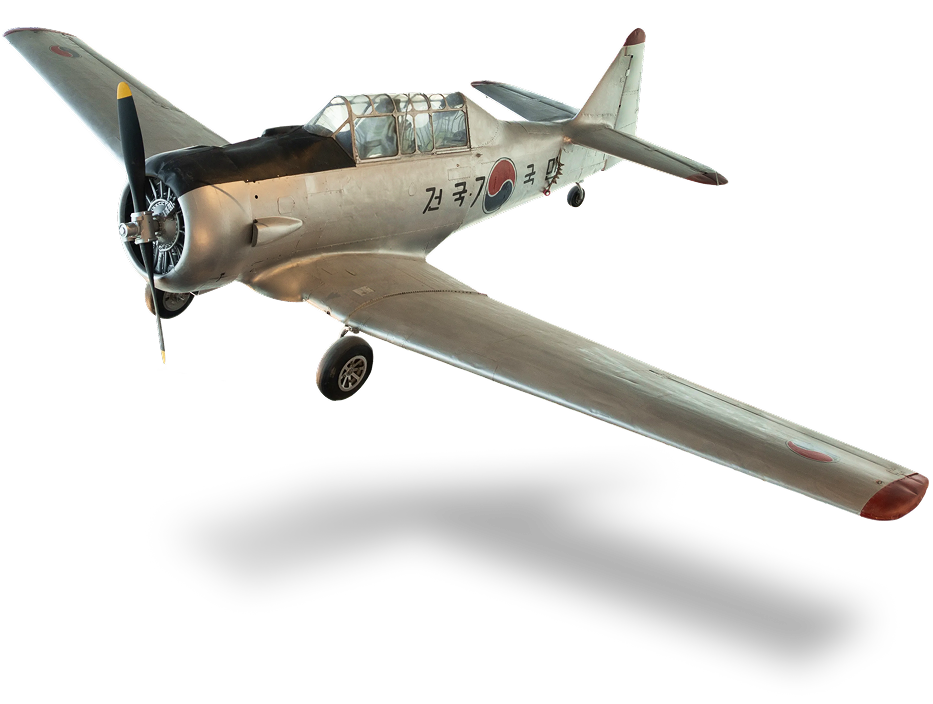
Geonguk-gi (T-6 Texan)

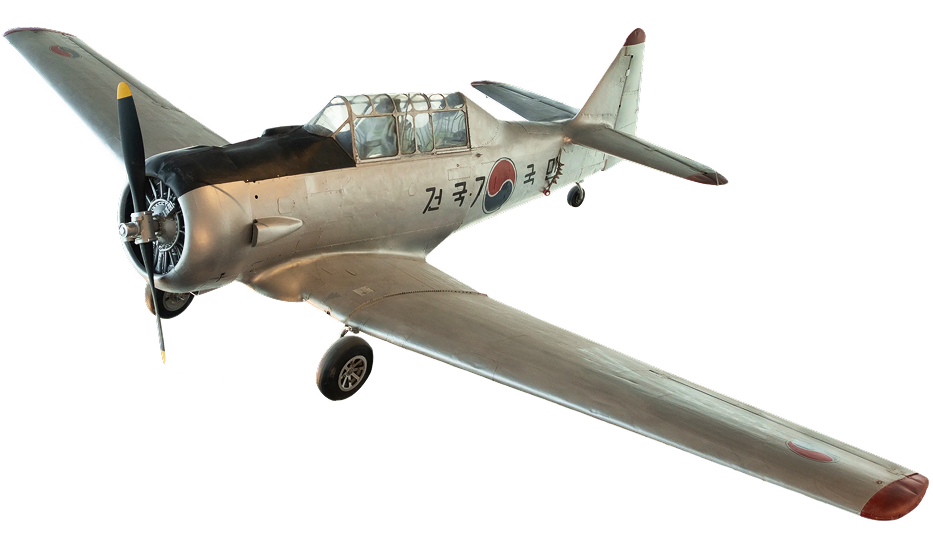
Geonguk-gi is the T-6 Texan trainer aircraft, the first military aircraft operated by the Republic of Korea Air Force. The government collected national defense funds to acquire fighter aircraft but was unable to secure them. It therefore introduced a used trainer aircraft from Canada, which President Rhee Syngman named “Geonguk-gi.” Shortly after entering service in 1950, the Korean War broke out, and although it was a trainer aircraft, it was deployed in combat. This exhibit is an actual aircraft that served during the Korean War and is on loan from the Republic of Korea Air Force.

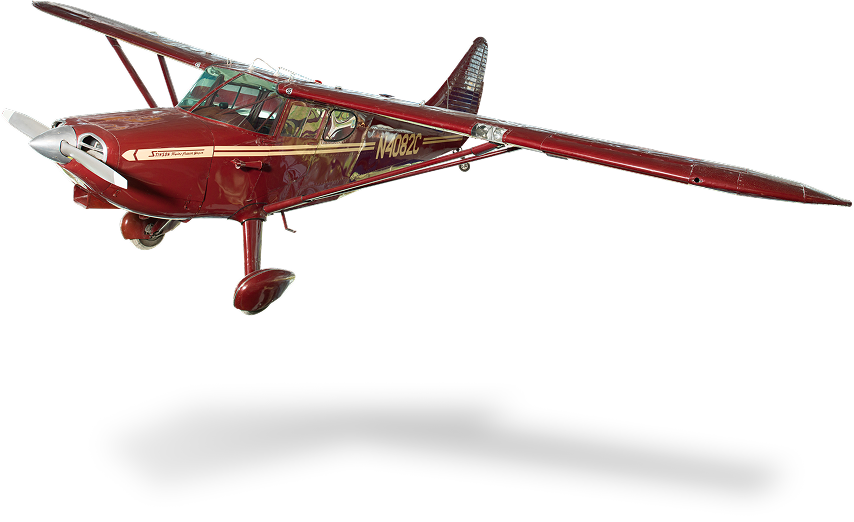
Station Wagon

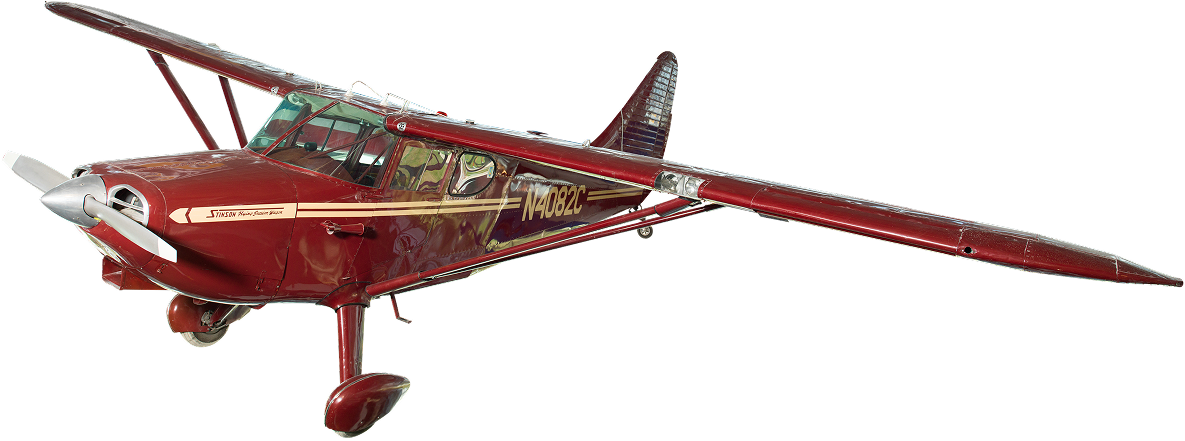
The Station Wagon was Korea's first passenger aircraft, a civil aircraft introduced by Korean National Airlines (KNA) in 1948. It was used by the U.S. Army as a reconnaissance and observation aircraft during World War II and was converted into a civilian passenger aircraft after the war. On October 30, 1948, it opened the era of air passenger transportation in Korea by making the first scheduled flight on the Seoul to Busan route. In commemoration of this, the government designated October 30 as “Aviation Day.”

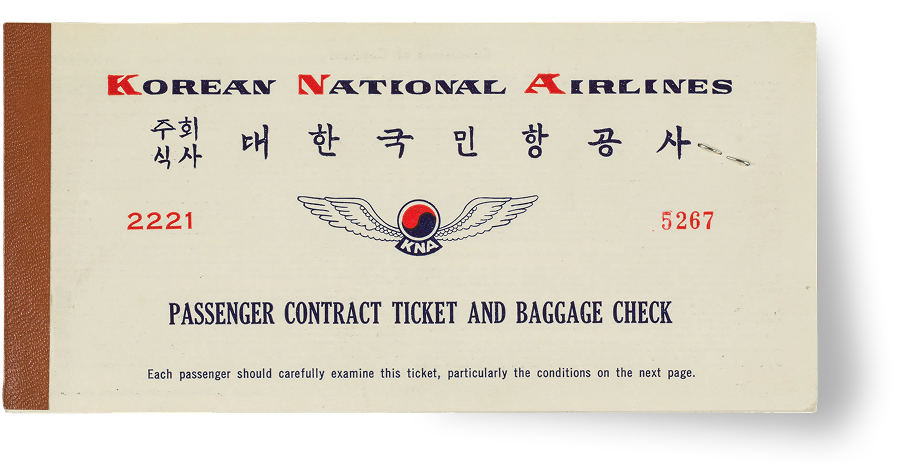
Korean National Airlines (KNA) Ticket Booklet

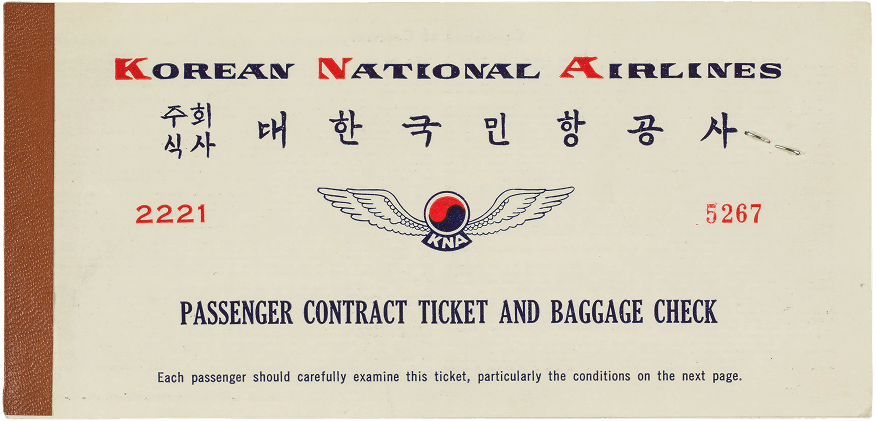
This is a ticket booklet of Korean National Airlines (KNA), Korea's first private airline, containing a ticket issued in 1960.

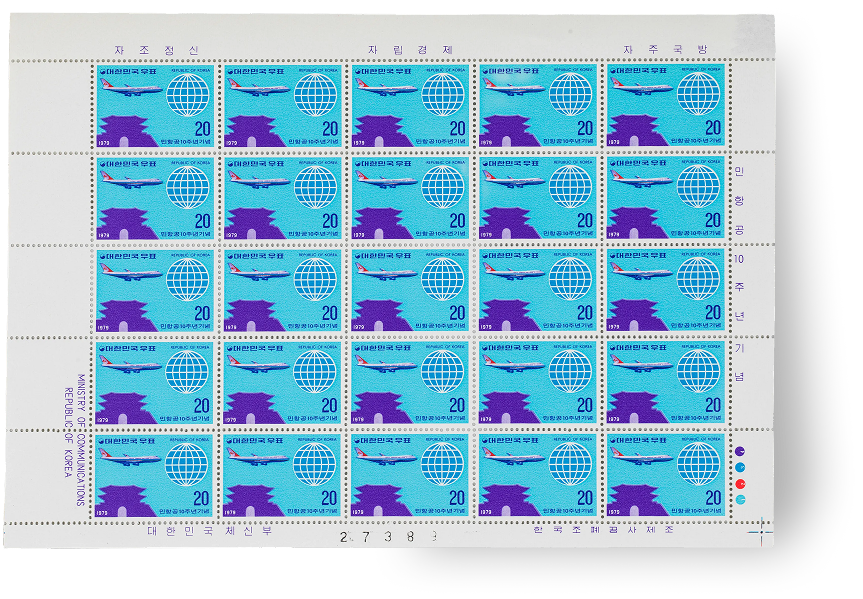
Commemorative Stamp for the 10th Anniversary of Civil Aviation

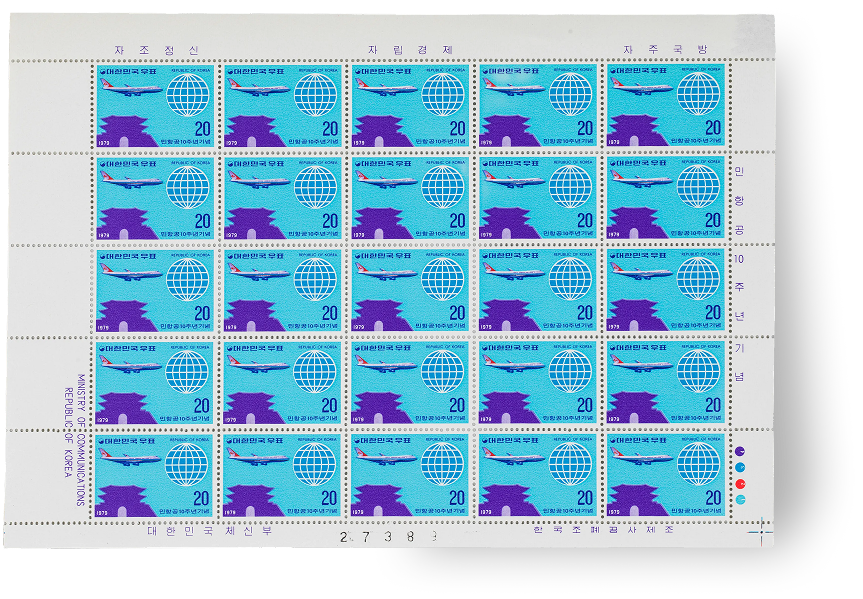
This commemorative stamp was issued in 1979 by the Ministry of Communications of the Republic of Korea to mark the 10th anniversary of the launch of civil aviation. The launch of civil aviation refers to Korean Air's acquisition and privatization of the state-run Korean Air Lines Corporation in 1969. It commemorates the point at which Korea's civil aviation industry entered a period of full-fledged growth.

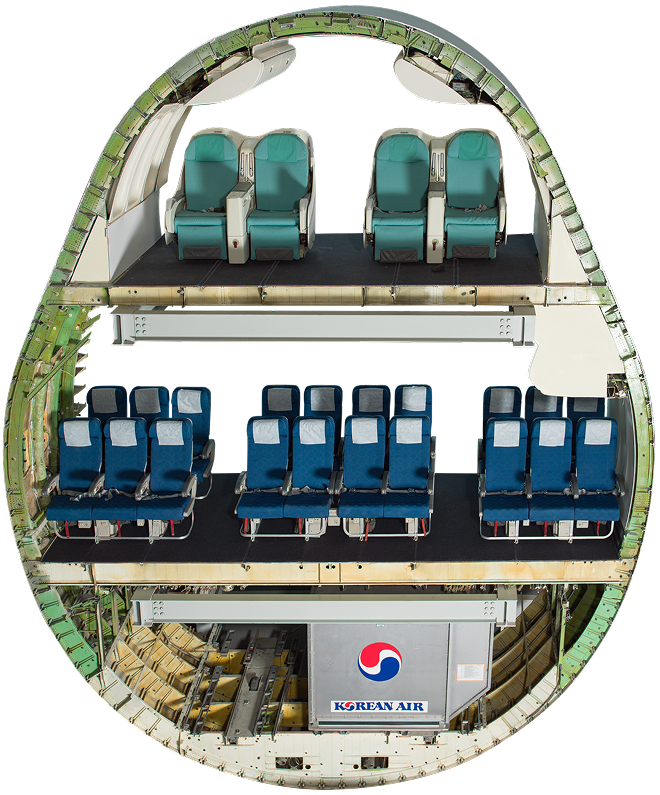
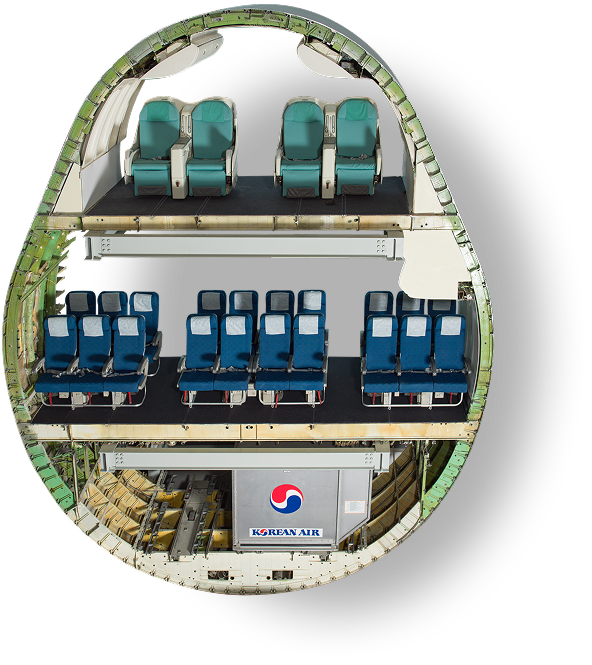
Boeing 747 Cutaway

The Boeing 747 is a very large, long-haul, wide-body passenger aircraft developed by Boeing in the United States. In 1969, Korean Air pursued the introduction of the B747 to strengthen its competitiveness. However, because no large runway was available, the government expanded Gimpo Airport. As a result, the aircraft was first introduced into service in Korea in 1973.

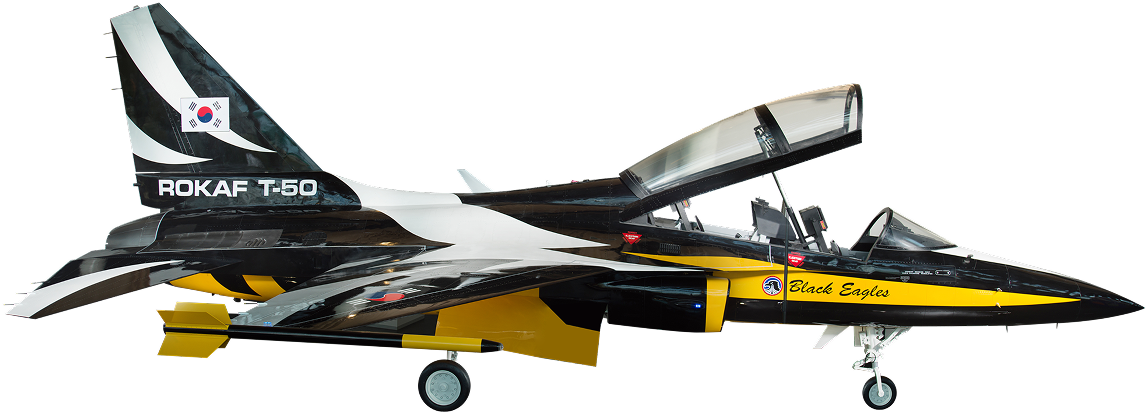
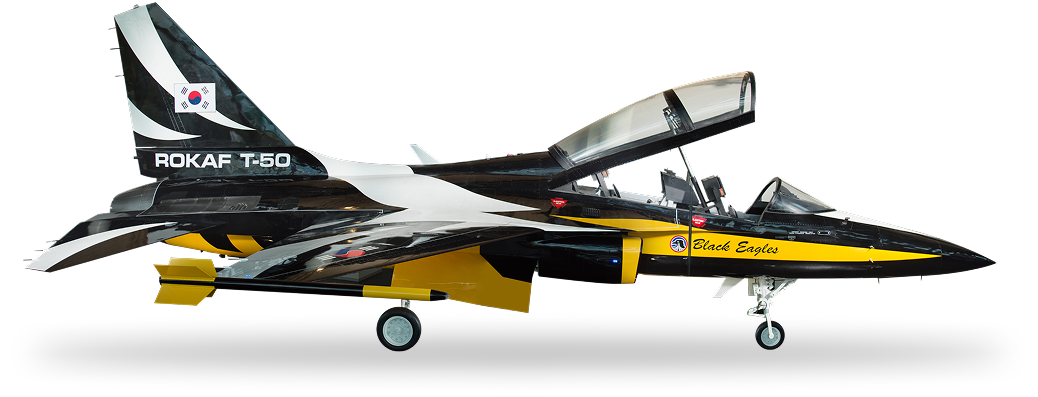
T-50

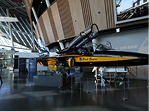
This is a supersonic, high-performance trainer aircraft developed by Korea Aerospace Industries (KAI) in 2005 for pilot training. Based on its excellent performance, derivative variants, including the FA-50 light attack aircraft, were developed and exported to several countries. This exhibit is the T-50B aerobatic variant operated by the Republic of Korea Air Force's Black Eagles aerobatic team and was donated by Korea Aerospace Industries (KAI).

 
  • 1F Black Eagles Flight Experience

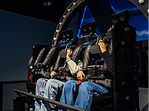
  • 2F Black Eagles Flight VR Experience

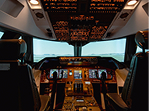
  • 2F Piloting and Air Traffic Control Experience

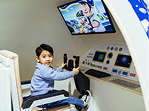
  • 3F Pureung Pureung Aviation First Steps

  • 1F Aviation History Hall

Opening hours

  • 10:00 – 18:00 from Tuesday to Sunday
    (Last Admission : 17:30)
  • January 1st, Seollal, Chuseok, every Monday
    (However, if Monday falls on a national holiday,
    the museum is open on Monday and closed
    on the following weekday)

Admission fee

  • Exhibition Tour Free
  • Experience programs Paid
    (See the webpage for the program)